Leave Management Is Quietly Becoming HR's Biggest AI Opportunity
By Tessa Mullet and Mariko Ryon on July 22, 2026
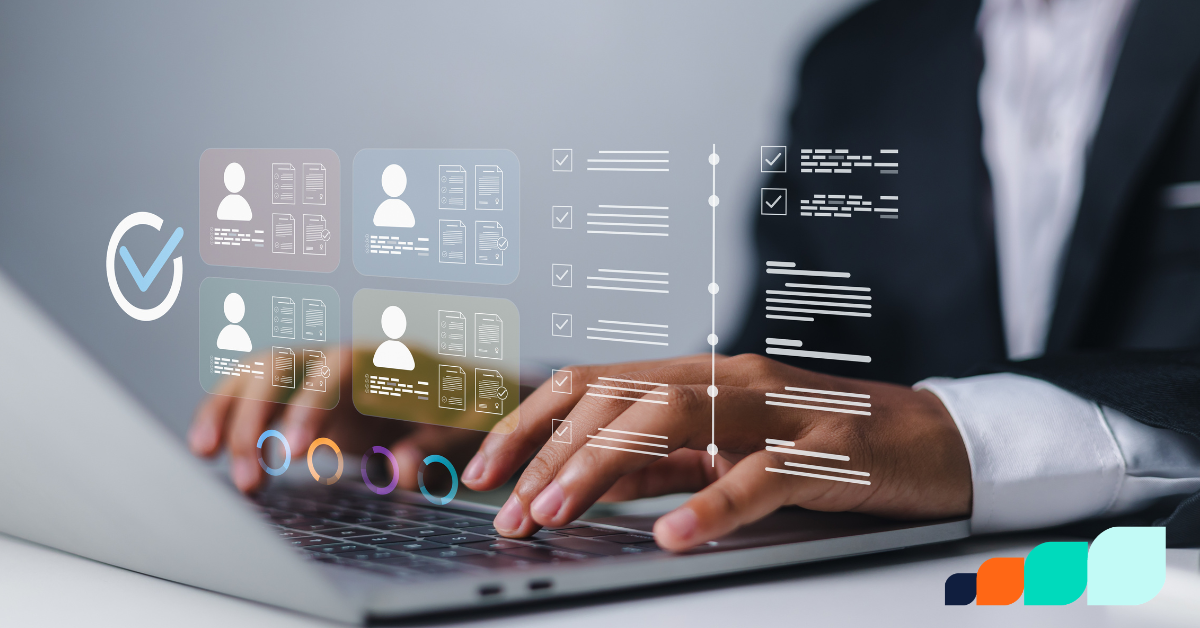
If you ask any HR leader where AI is transforming their function, you’ll most likely hear about recruiting, performance reviews, or employee chatbots. Leave management rarely makes the list.
But, as one of the most complex, highest-stakes, and most manual processes in HR, leave management is quietly becoming one of the best places for AI to make a meaningful difference.
Leave Isn't One Process - It's Dozens
When people talk about "leave," they usually mean it as a single, tidy category. In practice, it’s much more complex, as a single employee’s leave request might touch:
- Geographic compliance: the leave laws that apply may depend on where the employee works and sometimes where the employee lives.
- Multiple overlapping leave types: sick leave, short-term disability, paid family leave, FMLA, and company-specific policies can all apply to the same absence, each with its own eligibility rules and interaction effects.
- Accommodations: leave often intersects with ADA obligations, especially for intermittent or extended absences.
- Intermittent leave tracking: an employee taking leave in scattered increments (i.e. for a chronic condition or ongoing caregiving) requires continuous, accurate tracking rather than a single start and end date.
- Return-to-work coordination: confirming fitness for duty, restoring position and seniority, and managing the handoff back to a manager and team.
Multiply any of these factors across a multistate workforce, and the administrative load compounds quickly. More than a dozen states now require paid family leave, and even more require some form of paid sick leave, each with its own accrual formulas, waiting periods, caps, and rollover rules. New state laws take effect on a rolling basis throughout the year, which means the rules an HR team mastered last year may already be out of date.
For teams managing this manually through spreadsheets, shared inboxes, and policy binders, leave administration is one of the areas where a small human error can turn into critical compliance exposure.
Where AI Can Help
When it comes to incorporating AI into this process, it can make a real impact on pattern-matching and rule-tracking at scale. For example:
- Flagging jurisdiction conflicts. When a leave request intersects multiple state or local laws, or multiple leave types with different rules, AI can surface the conflict immediately instead of relying on someone remembering that the particular combination requires extra scrutiny.
- Tracking eligibility windows. Whether it's a new hire who just crossed a tenure threshold, an employee approaching a leave cap, or a policy change that shifts who's covered, AI can monitor these thresholds continuously rather than depending on periodic manual review.
- Routing return-to-work steps automatically. Once a leave has ended, the return-to-work process involves multiple handoffs: confirming documentation, notifying the manager, restoring the employee's role and schedule. AI can route each step to the right person at the right time, reducing the chance that something falls through the cracks during a transition that's already stressful for the employee.
Individually, none of these are groundbreaking. Together, they take a meaningful chunk of the administrative burden off HR teams who are otherwise doing this work by hand, across dozens of jurisdictions, with rules that shift every year.
Where Humans Should Be Involved
Incorporating AI into leave management comes with limits. Because leave management is often one of the most personal, high-stakes interactions an employee has with their employer, AI shouldn’t be making judgment calls on:
- Accommodation decisions that require human discretion: the interactive process under the ADA is, by design, a conversation, not a checklist.
- Sensitive employee conversations: a leave related to a medical diagnosis, a family loss, or a mental health need calls for empathy that no system can substitute for human interaction.
- Ambiguous or novel situations: when a case doesn't fit cleanly into existing rules, that's precisely when it needs a human to weigh in.
The goal isn't to automate leave management end to end. It's to automate the parts that are mechanical, such as tracking, flagging, and routing, so that HR teams have more time to attend to parts that require human judgment.
The Payoff: Time and Risk
Investing in AI for leave management can increase efficiency, freeing up time across the HR function, and reduce risk.
Manual tracking across a patchwork of state and local leave laws is inherently fragile — rules change, people forget, spreadsheets go out of date. Every one of those small failures is a potential compliance gap. With leave administration, a compliance gap isn't just a fine, it's an employee who doesn't receive the benefits they are legally entitled to, at the exact moment they need support most.
That's why HR teams that get ahead of this aren't only saving hours each week, they are creating a scalable, resilient process that can adapt as their workforce expands across states, leave laws evolve, and compliance grows more complex.
Conclusion: Next Steps for HR Leaders
Leave management is at an interesting intersection: it's administratively heavy enough that automation makes a difference, and personal enough that it demands limits on where that automation should stop. Getting this balance right is an ongoing practice. A few places for HR leaders to start:
- Audit where the manual burden lives. Before adding any technology, map out where your team spends the most time on leave administration today so you can target automation where it will actually move the needle.
- Draw your own line between automation and human judgment. Decide as a team which parts of your leave process should stay firmly in human hands before evaluating any tool. Don’t let a vendor's features decide for you.
- Start with the highest-risk, highest-volume processes. Multistate eligibility tracking and jurisdiction conflict flagging tend to offer the fastest return, since they're both time-consuming and where manual error creates the most compliance exposure.
- Revisit the balance regularly. As your workforce grows across states and leave laws continue to evolve, the right mix of automation and human oversight will shift. Treat this as a process to revisit each year, not a decision you make once.
The HR teams that get ahead will save time and build a leave process resilient enough to keep pace with a workforce, and a regulatory landscape, that keeps getting more complex.
Not sure where to start? We can help. Get in touch with our team to talk through where AI and automation could make the biggest difference in your leave management process.
- September 2026 (3)
- August 2026 (7)
- July 2026 (4)
- June 2026 (4)
- May 2026 (3)
- April 2026 (4)
- March 2026 (3)
- February 2026 (4)
- January 2026 (2)
- December 2025 (3)
- November 2025 (2)
- October 2025 (2)
- August 2025 (1)
- July 2025 (6)
- June 2025 (1)
- May 2025 (1)
- April 2025 (2)
- March 2025 (4)
- February 2025 (1)
- January 2025 (2)
- December 2024 (4)
- November 2024 (1)
- October 2024 (5)
- September 2024 (1)
- May 2024 (3)
- March 2024 (4)
- February 2024 (1)
- January 2024 (4)
- December 2023 (1)
- November 2023 (7)
- October 2023 (3)
- September 2023 (5)
- June 2023 (2)
- May 2023 (5)
- April 2023 (5)
- February 2023 (7)
- January 2023 (2)
- November 2022 (1)
- October 2022 (2)
- September 2022 (2)
- August 2022 (4)
- June 2022 (1)
- May 2022 (2)
- January 2022 (1)
- December 2021 (1)
- November 2021 (2)
- August 2021 (1)
- May 2021 (2)
- April 2021 (1)
- March 2021 (3)
- December 2020 (1)
- November 2020 (1)
- October 2020 (1)
- September 2020 (1)
- June 2020 (1)
- March 2020 (3)
Subscribe by email
You May Also Like
These Related Stories
Fiduciary Compliance in 2026: A Practical Blueprint for HR Leaders

The Digital Shift in HR: How to Build a Scalable, AI-Ready People Platform in 2026